Curbside Pickup for Hawaiʻi Restaurants Without the Friday Scramble
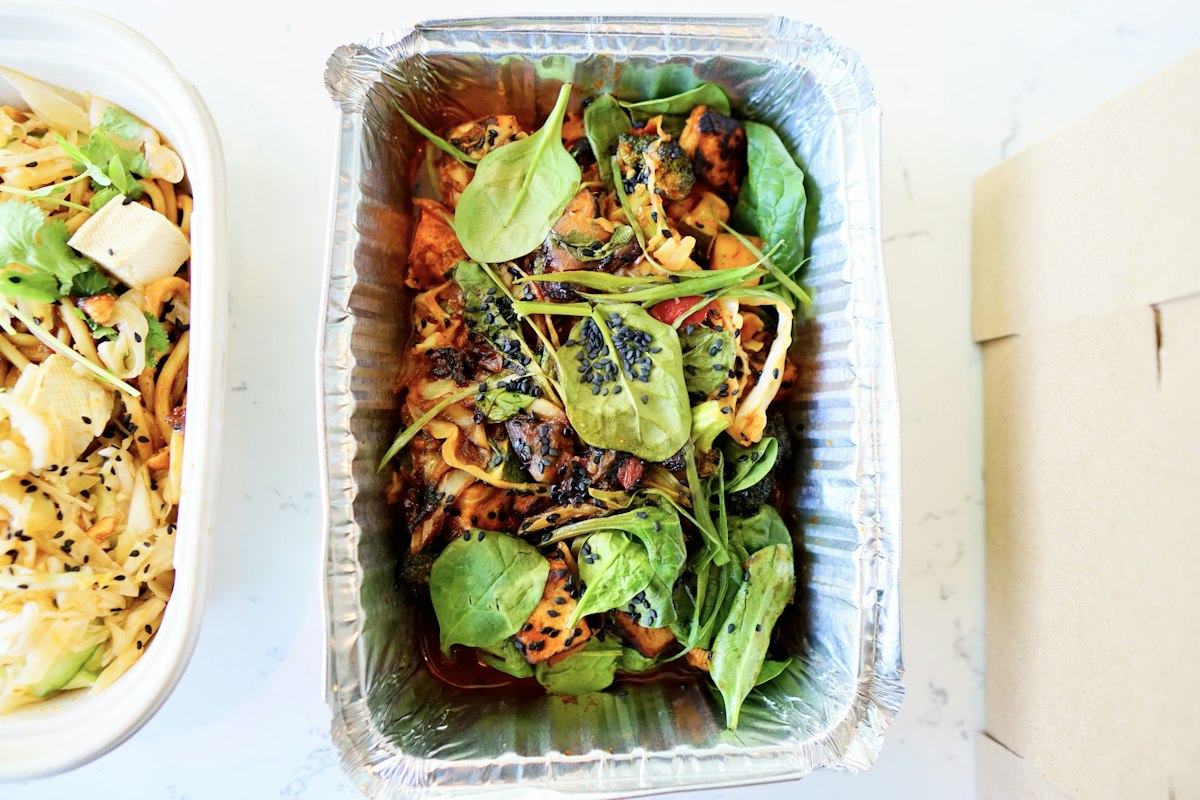
It's 5:50 on a Friday. The phone is ringing, a car is idling in your loading zone with its hazards on, and two guests at the counter are asking which bag is theirs, or whether theirs has even been started. Your ordering page told them fifteen minutes. That was honest at 5:00, before a dozen orders landed, and nobody has had a spare hand to change it. The mochiko chicken plate that was ready at 5:35 is steaming itself soft in a closed box while its customer circles the block with nowhere to stop. When curbside pickup for Hawaiʻi restaurants feels like more trouble than it's worth, pickup itself is rarely the problem. The problem is a promise made at 5:00 that is still on the page at 5:50.
Most of the fixes below are habits and signs. The hardest one, keeping the quoted time true as orders stack up, comes last.
Why Pickup Breaks Down at the Worst Possible Time
Takeout and pickup orders arrive with everything else: the after-work rush, the Saturday lunch crowd, the hour before the game. That is when the questions start.
- "Is my order ready?"
- "Where do I park?"
- "Can I add a side of mac salad?"
- "I'm out front in the white Tacoma. Can someone bring it out?"
Every one of those pulls a person off the line or away from a table, and the first one is really a question about the time you quoted. The fix is not working faster. It is answering those questions before anyone asks.
It Starts With an Honest Prep Time
Your customers plan around the time you give them. Tell someone fifteen minutes when the food takes thirty, and they wait in the lot, frustrated. Tell them thirty when it takes fifteen, and the food sits and loses what made it good. Nobody wants to drive home from Kaimukī with a box of cold katsu.
So quote real prep times, and raise them when the kitchen gets slammed. That second half is where most Fridays fall apart. The honest number can climb from fifteen to thirty-five within the hour, and changing it by hand means someone leaves the line at the one moment nobody can. So the page keeps promising fifteen, and every guest who believes it arrives early, stands at the counter, and asks.
Make the Pickup Spot Impossible to Miss
Parking is its own challenge here: a strip-mall lot on Kapahulu, street parking in Chinatown, a shared lot in Kahului, a two-lane road outside Hilo with nowhere to pull over. You know where a customer can stop for two minutes without causing trouble. The customer usually doesn't, and when the food runs late, that car waits longer.
So tell them, every time, in writing:
- Where to stop. "Pull into the two spots marked for pickup on the ʻEwa side of the building," not just "curbside available."
- What to do on arrival. Call, text, or walk in. Pick one, say it plainly, and decide who answers it on a busy night.
- What to look for inside. "Your order is on the shelf by the door, name facing out." That saves your counter staff a steady stream of interruptions.
- What happens when it rains. An afternoon shower in Mānoa or Hilo is no surprise. Have a covered spot, or a plan to walk orders out, and say which.
Put those instructions wherever guests look before they leave home: your ordering page, your order-confirmation text, and your Google Business Profile, the listing that shows your hours, photos, and reviews on Google Search and Maps. On that profile, Google lets you add your own ordering link and mark it as preferred for pickup, so the instructions and the order live in the same place.
Get Pickup Orders Off the Phone
Phone orders are where small mistakes start. Someone stops what they're doing, writes the order down, reads it back, and still hopes no one misheard "no onions." Twenty minutes later, the same customer calls back to ask whether it's ready, because the time they were given has already passed.
An order placed online arrives written down, exactly as the guest entered it, mac salad and all. Your staff stops taking dictation and starts handing out bags. We set up phone answering to do the same for callers: when someone calls to order, the system can text them a link to your ordering page.
Small Touches That Make Pickup Feel Like Your Place
Pickup is still hospitality, just shorter. Write the name on every bag, check sauces and sides against the receipt before you tape it to the outside, bag the poke apart from the loco moco, and say thank you by name. People remember those. None of them, though, fixes the time on the page.
The Fix: A Pickup Time That Rises With the Rush
SWIPEBY, whose service we sell as its Hawaiʻi partner, has a setting for exactly this. In its merchant dashboard, you set rules once, and your quoted pickup time rises on its own as orders come in. For example:
- After five orders, add ten minutes.
- After fifteen orders in thirty minutes, add twenty.
Those numbers are only examples; you set the ones that fit your kitchen. Now replay 5:50 on a Friday. The guest who orders in the middle of the rush is quoted the longer time your own rule calls for, because the rule already did what nobody had a spare hand to do. The white Tacoma pulls into the marked spot on the ʻEwa side as the bag reaches the shelf, and the mochiko chicken is still crisp.
Curbside pickup for Hawaiʻi restaurants comes down to three promises kept: a time you can stand behind, a spot nobody can miss, and an order that arrives written down. The spot is yours to mark. The time and the order are what we set up with you.
Digital Rescue Hawaiʻi does that for restaurants, food trucks, and cafés across the islands: an online ordering page in your own name, with a curbside option, no commission on each order, and those pickup-time rules; phone answering that can text callers the link; and follow-up that invites lapsed regulars back automatically with a personal offer. We set it up, manage it, and show up in person.
Want to see your Friday rush through the rule? Book 30 minutes with Phoenix. No contract, no pressure.